

Environmental Services
Latest News

Advertisement
Advertisement
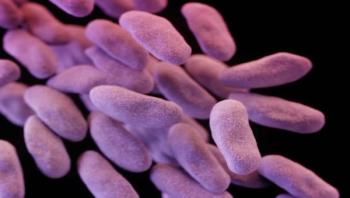
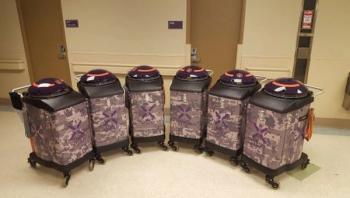
As researchers gain increasing experience with UV-C light, they are reporting encouraging results related to efficacy against some of the most problematic pathogens in hospitals today.
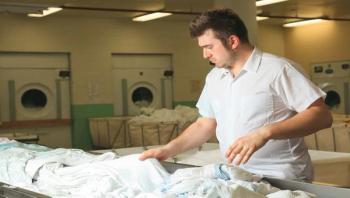
A couple of years ago, there was a report in the news that during 2008 and 2009 five children died at a Louisiana children’s hospital from an infection passed to them through their hospital linens. To follow up on this tragedy, a reporter wanted to know if there had been any changes made in how the hospital laundered its linens. The reporter posed this question to the hospital’s associate medical director of patient safety and quality. According to her account, the reporter asked the medical director who was the hospital’s current launderer. First, the medical director responded that he didn’t think it was pertinent, and then he said he didn’t know. And he said he didn’t know a second time when asked the same question at a subsequent news conference. Keep in mind: This is the hospital’s director of patient safety and quality.
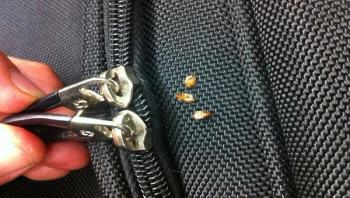
New research indicates that brief heat treatment is a promising way to decrease the spread of bed bugs being transported on the outer surface of luggage. When soft-sided suitcases with male bed bugs on the outside were exposed to an air temperature of 70 degrees to 75 degrees C, it took only six minutes to kill all of the bed bugs, even those that had concealed themselves under zipper flaps or decorative piping. During heating, only one bed bug (out of 250 total) moved into the luggage (through a closed zipper). Also, at room temperature, only three percent of bugs placed on the outside of the suitcases had moved inside during a 24-hour period.
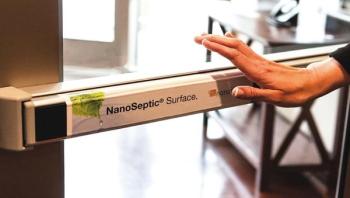


While the saying goes that no one comes to work looking to make mistakes, they do happen, and they can lead to serious adverse events and poor patient outcomes. Where humans can introduce errors into a process, machines can help ensure standardization and uniformity, and an increasing number of healthcare organizations are evaluating and purchasing automated systems that boost their risk management strategies and patient safety efforts. Automation-driven processes are free from human fatigue and error, so they can help provide consistency and accuracy and potentially lead to a reduction in patient complications, infections and deaths. More predictable outcomes are possible with automated technology, and higher throughout can be achieved.
There are five key considerations that healthcare professionals should take into account when selecting the optimal disinfectant for the decontamination of environmental surfaces and noncritical patient-care items.

Advertisement
Advertisement
Trending on Infection Control Today
1
UPMC’s Genomic Surveillance Award Opens the Door to Funding Conversations
2
Proposed AHRQ Cut Raises Questions About Infection Prevention Research and Support
3
Measles Took 5 Children in 8 Days. A Century Later, Their Story Still Matters
4
How Purposeful Infection Prevention Rounding Supports Patient Safety and EVS Collaboration
5