




HAIs
Latest News

Advertisement
CME Content
Advertisement



An increase in prevalence in healthcare settings across the continuum of care over several decades has resulted in MRSA and other multidrug-resistant organisms (MDROs) being given priority as targets of reduction efforts by several regulatory and advisory bodies. These include the Society for Healthcare Epidemiology of America (SHEA), the Infectious Diseases Society of America (IDSA) and the Centers for Disease Control and Prevention (CDC).

An increase in prevalence in healthcare settings across the continuum of care over several decades has resulted in MRSA and other multidrug-resistant organisms (MDROs) being given priority as targets of reduction efforts by several regulatory and advisory bodies. These include the Society for Healthcare Epidemiology of America (SHEA), the Infectious Diseases Society of America (IDSA) and the Centers for Disease Control and Prevention (CDC).


Stewardship and scopes are just two issues that are top of mind for stakeholders in infection prevention and healthcare epidemiology for the new year. Let's explore the imperatives, as suggested by leaders in the infection prevention and control community.

Surgical site infections (SSIs) are the number one most costly hospital acquired infection (HAI).




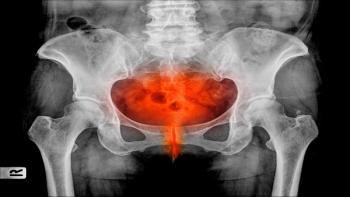
One of the primary ways physicians diagnose urinary tract infections is with a test that detects bacteria in urine. A new enhanced test, developed at Loyola University Chicago, detects significantly more bacteria than the standard test, according to a study presented at a meeting of the American Society for Microbiology in New Orleans.

With the U.S. healthcare reform mandate for increasing transparency and improved quality, the need for infection prevention and control in long-term care facilities (LTCFs) is becoming more critical than ever before for the more than 3 million Americans receiving geriatric care in U.S. annually. Consider these facts regarding infection in long-term care: • An estimated 1.6 million to 3.8 million infections occur in long-term care facilities each year. • More than 1.5 million people live in 16,000 nursing homes in the United States. Estimates suggest infections could result in as many as 380,000 deaths among those residents each year. • The nursing home population is expected to increase to about 5.3 million people by 2030.

Policies relating to newly emerging and highly infectious diseases in outpatient healthcare settings within the context of infection prevention and control are highly variable, according to public health experts, leaving many gaps in patient protection from healthcare-associated infections (HAIs). For example, only a minority of outpatient facilities are certified by the Centers for Medicare and Medicaid Services (CMS) and few are licensed by states or maintain accreditation status. As a result, many of these facilities are opened and operated without being held to minimum safety standards for infection control or other aspects of patient care, potentially putting patients at risk. In an October 2015 document, Outpatient Settings Policy Options for Improving Infection Prevention, the Centers for Disease Control and Prevention (CDC) outlined four key elements for states and their supporting HAI multidisciplinary advisory groups who are interested in more effective and proactive oversight of out-patient facilities: facility licensing/accreditation requirements; provider-level training, licensing and certification; reporting requirements; and establishment and effective application of investigation authorities.
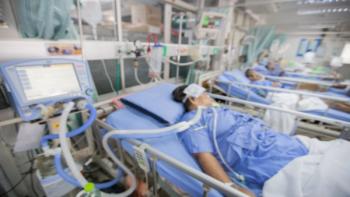
The intensive care unit patient is susceptible to a number of common healthcare-acquired infections, including ventilator-associated pneumonia (VAP), catheter-related bloodstream infections (CLABSIs), catheter-associated urinary tract infections (CAUTIs), and Clostridium difficile infections (CDIs), among others. There are numerous predisposing factors to take into consideration, say Dhillon, et al., who add, "Critically ill patients in the ICU are more likely to have invasive catheters, devices, or undergo surgical treatments that disrupt the skin barrier. Burn victims also develop HAIs as a result of the physical barrier disruption. The ability to clear infections may further be reduced by an underlying chronic diseases, thus increasing the risk of HAI. Other significant risk factors include urinary catheter >10 days, ICU confinement >3 days, presence of intracranial pressure monitor/arterial line/central venous catheter, and shock."

The sterile processing department (SPD) can be one of the more challenging environments in which to uphold infection prevention and control principles. As an example, the decontamination area of the SPD can pose a significant threat to its technicians "because of the numerous and unknown microorganisms that pass through," confirms Nancy Chobin, RN, AAS, ACSP, CSPM, a sterile processing educator and consultant. "In addition, there is the potential for a sharps injury due to sharps that are handled in this area as well such a towel clips, etc.," she says.

The CDC Foundation explains that public health is “the science of protecting and improving the health of families and communities through promotion of healthy lifestyles, research for disease and injury prevention and detection and control of infectious diseases.” It adds that “Public health professionals try to prevent problems from happening or recurring through implementing educational programs, recommending policies, administering services and conducting research – in contrast to clinical professionals like doctors and nurses, who focus primarily on treating individuals after they become sick or injured. Public health also works to limit health disparities. A large part of public health is promoting healthcare equity, quality and accessibility.”

Hospital food service infection control experts have a lot on their plates, as it were, when it comes to ensuring patients’ well-being. That responsibility has not let up in 2016; the Centers for Disease Control and Prevention (CDC) keeps pushing medical institutions to offer healthier fare – think fresh, not prepackaged, salads; Chipotle’s produce-linked food poisoning outbreak lingers in recent memory; and the Zika virus’s entrance into the United States raises questions about its impact on areas including food safety. Each of these issues should reinforce to hospital food infection control experts the need to stay mindful of industry best practices. Doing so will continue to help protect patients, says Marisa Pinchas, MPH, CIC, the infection preventionist at Children’s Hospital Los Angeles.
Advertisement
Advertisement
Trending on Infection Control Today
1
What HIV/AIDS Taught Health Care About Needlesticks and Occupational Exposure
2
Is Your Hospital Treating Trash Like Medical Waste? Rethinking Sustainable Waste Management
3
At AHE Exchange26: Building Safer, Smarter Reusable Linen Programs
4
Once a Teacher, Always a Teacher: Why Infection Prevention Is Education
5