
News
Advertisement
Advertisement

The research carried out by professor Jose Bengoechea, director at the Centre for Experimental Medicine at Queen's University, and his team unveiled the molecular mechanisms preventing the treatment of Klebsiella pneumonia. The multidrug-resistant microbe can cause bladder infections, pneumonia and has mortality rates of 25 percent to 60 percent.
Advertisement
An investigational malaria vaccine given intravenously was well-tolerated and protected a significant proportion of healthy adults against infection with Plasmodium falciparum malaria--the deadliest form of the disease--for the duration of the malaria season, according to new findings published in the February 15 issue of the journal Lancet Infectious Diseases. The study participants live in Mali, Africa, where they are naturally exposed to the parasite.
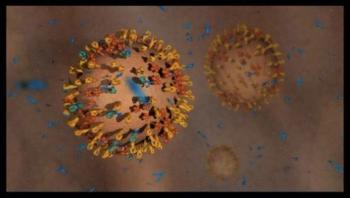
In an effort to one day eliminate the need for an annual flu shot, a group of researchers from the National Institutes of Health (NIH) and Icahn School of Medicine at Mount Sinai are exploring the surface of influenza viruses, which are covered by a protein called “hemagglutinin” (HA). This particular protein is used like a key by viruses to open cells and infect them, making it an ideal target for efforts to help the body's immune system fight off a wide range of influenza strains.
Advertisement
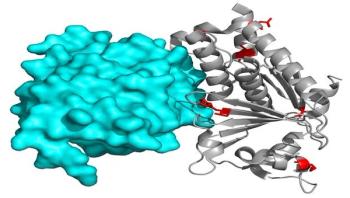
Kent researchers have identified how few mutations it can take for Ebolaviruses to adapt to affect previously resistant species.
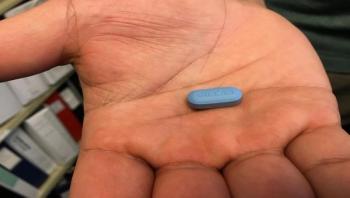
One of the most promising new approaches to slowing the spread of HIV is pre-exposure prophylaxis (PrEP), a once-a-day medication that people who don't have HIV can take to prevent becoming infected. But that strategy only works if people at risk for contracting HIV become and remain fully engaged in preventive care and actually take the pills. In the real world of clinical practice, that has often proved tricky.
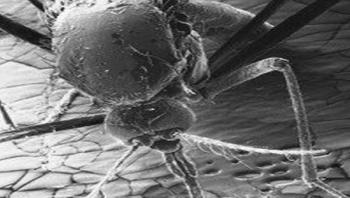
A University of Florida Institute of Food and Agricultural Sciences entomologist will use a $200,000 grant from the Florida Department of Health to improve tests for the detection of the Zika virus.

Women have claimed for years that their bodies react differently whether they're pregnant with a male or female baby. Some studies suggest that a baby's sex could play a role in why some women report differences with morning sickness, cravings and other symptoms based on the sex of their baby. Now, evidence published in the February issue of the journal Brain, Behavior and Immunity, shows the sex of a baby is associated with pregnant women's immune responses.
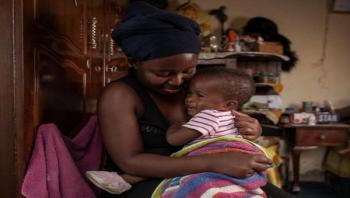
The non-profit research and development organization Drugs for Neglected Diseases initiative (DNDi) has released results of a study in South Africa that will make it easier for healthcare workers to treat children living with HIV who are co-infected with tuberculosis (TB). The study, presented as a late-breaker this week at the Conference on Retroviruses and Opportunistic Infections (CROI) in Seattle, provides essential evidence and data to counter the negative interactions between two critical HIV and TB treatments.


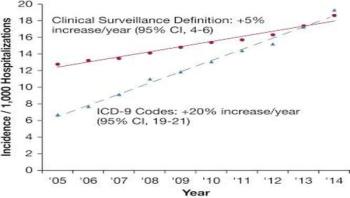
Sepsis is a major public health problem and the focus of national quality measures and performance improvement initiatives. Understanding what is happening with sepsis rates and outcomes is thus an area of great importance. However, tracking sepsis rates and outcomes is challenging because it is a heterogeneous syndrome without a definitive "gold standard" test. In the February issue of CHEST, investigators compared the effectiveness of claims-based surveillance using ICD-9 codes with clinical-based data and specific diagnostic parameters. Their findings suggest that surveillance based on clinical criteria is a more reliable way to track cases of septic shock.
Advertisement
Advertisement
Trending on Infection Control Today
1
What Is Trichophyton indotineae? Drug-Resistant Ringworm Spreads to 29 Countries
2
What Is Causing the 2026 US Measles Outbreak? Vaccination Rates, Travel, and Immigration Examined
3
Infection Control Today Launches First Digital Magazine for Infection Prevention Professionals
4
ICT Weekly Rounds – September 17, 2026: RIngworm, Measles, Ebola Updates
5