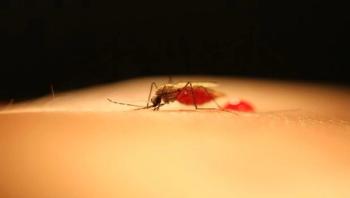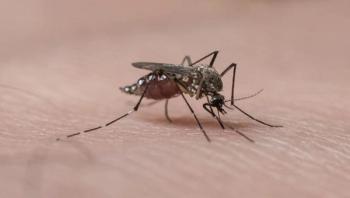
Scientists at the University of Liverpool have shown that a change in weather patterns, brought on by the El Niño of 2015, fueled the Zika outbreak in South America. The findings were revealed using a new epidemiological model that looked at how climate affects the spread of Zika virus by both of its major vectors, the yellow fever mosquito (Aedes aegypti) and the Asian tiger mosquito (Aedes albopictus).