News
Advertisement

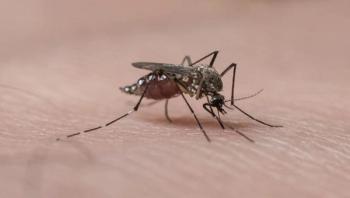
Mosquitoes kill an estimated 700 000 people a year. If infected with viruses that cause diseases like chikungunya, dengue and Zika, mosquitos can transmit them to humans in one bite. Researchers have now pilot-deployed a new technique to control diseases transmitted by mosquitoes by making use of nature. It is one of the new tools WHO recommends for pilot deployment as a response to Zika virus.
Advertisement


Advertisement
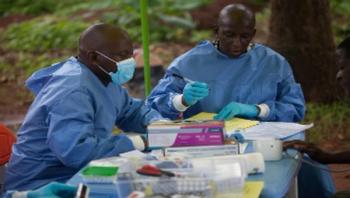

Gambian sleeping sickness - a deadly parasitic disease spread by tsetse flies - could be eliminated in six years in key regions in the Democratic Republic of Congo (DRC), according to new research by the University of Warwick.
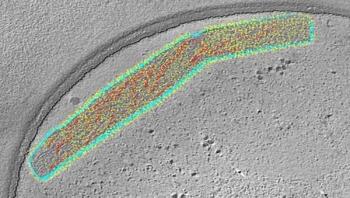
Crafting a vaccine against RSV (respiratory syncytial virus) has been a minefield for 50 years, but scientists believe they have found the right balance. Researchers at Emory University School of Medicine and Children's Healthcare of Atlanta report that they have engineered a version of RSV that is highly attenuated -- weakened in its ability to cause disease -- yet potent in its ability to induce protective antibodies.

A new way to fight multidrug-resistant bacteria by blinding them rather than killing them proved highly effective in a model of burn injuries, UT Southwestern Medical Center research shows.
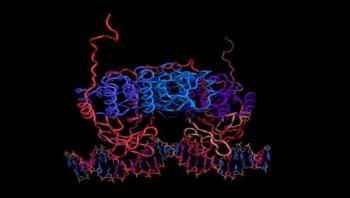
Antibiotic resistance in pathogenic bacteria is a growing global challenge. Danish researchers have now discovered that bacteria use a code language to avoid being controlled. Understanding this code language will be paramount to developing new antibiotics in the future.

Experimenting with human cells and mice, Johns Hopkins researchers have found that a genetic mutation that alters a protein called NOD1 may increase susceptibility to human cytomegalovirus (CMV) infection. CMV is a common pathogen that infects almost 60 percent of adults in the U.S., according to the Centers for Disease Control and Prevention (CDC), and can lead to devastating developmental defects in fetuses and severe disease in people with weakened immune systems.
Aedes aegypti mosquitoes harboring parasitic Zika virus (ZIKV) are the primary transmitters of virus to humans, potentially causing catastrophic congenital microcephaly in babies born to women bitten by infected mosquitoes. But confirmation earlier this year by the Centers for Disease Control and Prevention (CDC) that ZIKV can also be sexually transmitted raised new alarm that virus could be passed between sexual partners in venues far from mosquito habitats.

Georgetown University Medical Center researchers have found that sunlight, through a mechanism separate than vitamin D production, energizes T cells that play a central role in human immunity. Their findings, published today in Scientific Reports, suggest how the skin, the body’s largest organ, stays alert to the many microbes that can nest there.

Advertisement
Advertisement
Trending on Infection Control Today
1
What Is Trichophyton indotineae? Drug-Resistant Ringworm Spreads to 29 Countries
2
What Is Causing the 2026 US Measles Outbreak? Vaccination Rates, Travel, and Immigration Examined
3
Infection Control Today Launches First Digital Magazine for Infection Prevention Professionals
4
ICT Weekly Rounds – September 17, 2026: RIngworm, Measles, Ebola Updates
5