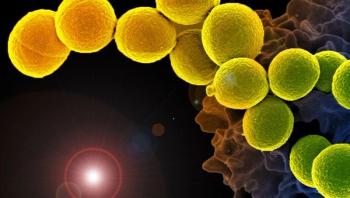
A key skin protein previously overlooked in studies of staph infection has the ability to quell antibiotic-resistant staph- and strep-based skin infections, according to a study in the Nov. 18, 2016 issue of Science Immunology.
A key skin protein previously overlooked in studies of staph infection has the ability to quell antibiotic-resistant staph- and strep-based skin infections, according to a study in the Nov. 18, 2016 issue of Science Immunology.

A Rift Valley fever outbreak was recently reported at the border between Niger and Mali in West Africa. So far, 64 human cases including 23 deaths have been confirmed in Niger, according to the World Health Organization (WHO). Umeå University infectious disease epidemiologist Osama Ahmed Hassan recently joined an international expert fact-finding mission to Mali as a consultant with the Food and Agricultural Organization of the United Nations (FAO/UN).

Healthcare provider burnout is known to have a relationship with both quality of care and patient safety. Psychologists from the School of Science at Indiana University-Purdue University Indianapolis conducted the first study to systematically, quantitatively analyze the links between healthcare provider burnout and healthcare quality and safety across medical disciplines.

OpenNotes evidence has shown that transparent medical records can increase patient engagement - patients who read the clinical notes written by their doctors report feeling more in control of their care and being better able to adhere to the treatment plan. Now new research from OpenNotes investigators at Beth Israel Deaconess Medical Center (BIDMC) suggests that offering patients a mechanism to provide feedback about their notes further enhances engagement and can improve patient safety. The study results appear online today in the British Medical Journal (BMJ) Quality and Safety.

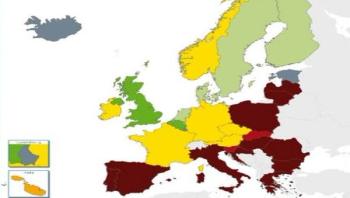
Acinetobacter baumannii is the cause of difficult-to-treat infections in healthcare settings in Europe due to its increasing resistance to antimicrobial agents, in particular the carbapenems. Outbreaks of carbapenem-resistant A. baumannii in healthcare facilities have been reported in Europe and worldwide.


Sometime in the next few days or weeks - whenever he can adequately gather his thoughts - a Mississippi man plans to sit down and write a very important letter to a family he has never met, but whose legacy he will carry with him for the rest of his life. The man, who is HIV-positive, is in his 30s and wishes to remain anonymous. He recently became the eighth patient in the United States to receive a transplant from an HIV-positive deceased donor. The HIV-positive to HIV-positive transplant happened at the University of Alabama at Birmingham. UAB Hospital is the first in the Deep South to achieve an HIV-positive to HIV-positive transplant, and only the fourth hospital in the country to do so.

As scientists race to create a vaccine for the Zika virus, new research from the University of Georgia suggests almost half of Americans wouldn’t be interested in getting the shot even if public health officials recommended it for them. Only 1 in 3 people in an October 2016 nationally representative survey said they would be willing to get a Zika shot if one were available and recommended. More than two out of five respondents said they would not be interested in getting a Zika vaccine, and another quarter were undecided on the question.

The Zika virus remains a mystery. Isolated from macaque monkeys in the Ziika Forest in Uganda in 1947, the virus was shown to infect humans not long after, but it was identified as a benign disease, with mild symptoms. For this reason, it was not heavily studied until almost 70 years later when it appeared to be associated with an unusual cluster of cases of microcephalic birth defects and Guillain-Barré Syndrome (GBS) paralysis in Brazil in 2015 and 2016.
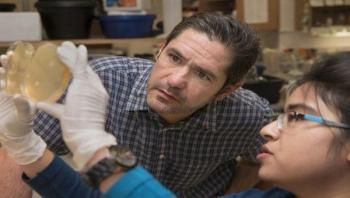
Dr. Hans Wildschutte has his eye on finding answers to the serious global issues of antibiotic resistance and novel drug discovery. The research in Wildschutte’s lab focuses on finding environmental bacteria that can kill one or multiple pathogens.

A landmark new study shows the benefits of an expanded treatment strategy for intestinal worms -- treating adults as well as children -- that could improve the health of millions of children in Southeast Asia, the Pacific and Africa. Dr. Naomi Clarke from the Australian National University (ANU) said children from the poorest communities suffered from consequences of infestations, such as poor growth and development, and chronic intestinal blood loss and anemia in some cases.
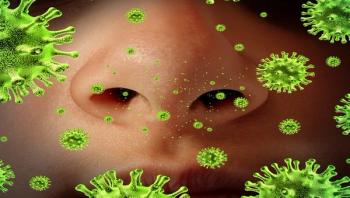
Healthcare-associated infections (HAIs) affect more than 2 million patients annually and cost over $4.5 billion. Infection prevention bundles are increasingly being used that include nasal decolonization, and evidence supporting its effectiveness is growing. Although mupirocin (trade names including Bactroban, Centany) is commonly used for nasal decolonization, it may be prudent to consider new nasal antiseptics with which antimicrobial resistance is not an issue [trade names including Nozin (alcohol) and 3M and Clorox (iodine).
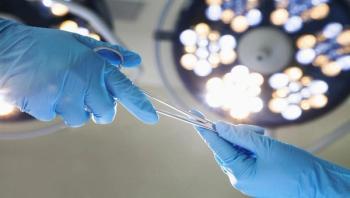
Every year, the Association of periOperative Registered Nurses (AORN) releases the latest version of its Guidelines for Perioperative Practice to its 41,000 members. Each edition of the book features updated instruction on practices that help perioperative nurses and, in turn, infection preventionists, ensure patient health and safety. For example, the 2017 publication contains detailed new insight into hand hygiene in the surgi-cal suite. The information discusses how fingernails, and even polish, can harbor germs, and offers best practices for preventing contamination that could hurt the patient. Through the teaching efforts of AORN members, and the acceptance of the U.S. Agency for Healthcare Research and Quality National Guideline Clearinghouse, these directions will reach more than 2,500 hospitals and more than 160,000 RNs.
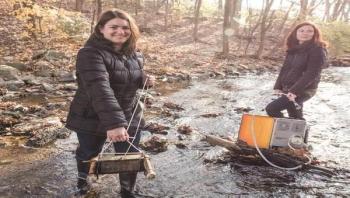
The life of a watershed is complex. The watershed is the area of land separating the smaller water flows that feed into a larger, common outlet--like a river, lake or ocean. As such, it is often home to a variety of wildlife, as well as subject to agricultural and recreational uses. From this complicated ecosystem, bacteria, viruses and parasites emerge--sometimes making their way into the water supply. One reason that drinking water and public swimming pools are treated with chlorine is to kill such disease-causing organisms. Chlorine successfully eliminates a number of harmful pathogens--but not all of them.