
Evolving air quality monitoring technologies, like an IAQ Exposure Index, provide real-time data to detect airborne contaminants, enhance infection control, and protect vulnerable healthcare populations from respiratory exposures.
Evolving air quality monitoring technologies, like an IAQ Exposure Index, provide real-time data to detect airborne contaminants, enhance infection control, and protect vulnerable healthcare populations from respiratory exposures.
EvaClean partners with Microsplitting Ltd. to distribute its advanced disinfection systems and absorbents, revolutionizing infection prevention across health care, education, hospitality, and industrial sectors worldwide.
Read about the CDC’s Health Advisory. The advisory emphasizes the significance of early detection, infection control measures, and interdisciplinary collaboration to reduce risks, guarantee timely treatment, and prevent further spread.
Micromanagement from leadership can hinder infection preventionists (IPs). This guide explores strategies to reposition IPs as proactive partners in patient safety rather than adherence enforcers.

Oral care is vital in reducing hospital-acquired pneumonia risks. Health care workers' education, evidence-based protocols, and accessible supplies enhance patient outcomes and prevent complications in health care settings.
Discover how innovative strategies in scheduling, staff engagement, and continuous learning transformed a hospital’s environmental services, enhancing efficiency, employee satisfaction, and patient care standards.
Adopting IDEA—identify, define, explain, apply—streamlines contamination control. Infection control professionals can mitigate risks through prevention, intervention, and training, ensuring safer health care environments and reducing frequent contamination challenges.
"I was hoping we had learned from COVID-19 that a lot of transmission happens between people who don't believe that they have an illness and others," Deborah Birx, MD, told Infection Control Today.
Barinthus Bio’s Phase 2b trial shows VTP-300’s potential to achieve functional cures for chronic hepatitis B, with promising HBsAg loss, safety, and durable immune responses.
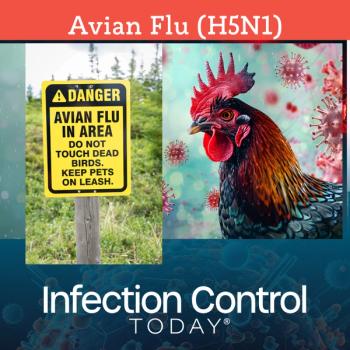
Read the latest on the rise of H5N1 avian flu. What happens if it combines with COVID-19? Experts answer the most pressing questions.
Public health mandates, such as lockdowns, masking, and vaccination, balance liberty and safety, ensuring critical protections during pandemics like COVID-19 while fostering long-term survival through science.
Antibiotic stewardship in long-term care facilities relies on McGeer and Loeb criteria to guide infection surveillance and appropriate prescribing, ensuring better outcomes for residents and reducing resistance.
Drinking raw milk poses risks of disease transmission, especially with H5N1 outbreaks. Expert Richard J. Webby, PhD, advises against raw cow or goat milk consumption due to its unpredictable and significant risks.
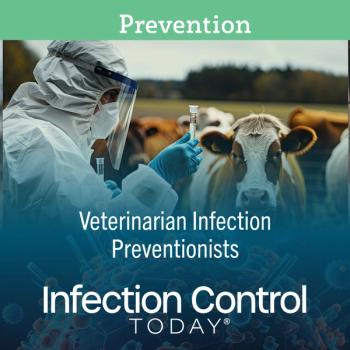
Veterinarians, technicians, and veterinarian infection preventionists face risks from H5N1 avian flu when handling farm animals or exposed wildlife. Learn key prevention strategies, PPE recommendations, and emerging challenges.
Richard Webby, PhD, the director of the World Health Organization (WHO) Collaborating Centre or Studies on the Ecology of Influenza in Animals and Birds, discusses the evolving dynamics of H5N1 avian flu, its variants, and the low risk to humans while emphasizing vigilance among health care professionals.
Learn how Cameron Memorial Community Hospital saved $38,000 by outsourcing laundry services to a local vendor, maintaining quality, creating space, and strengthening community ties—all while enhancing patient experience.
Thank you for an amazing 2024! Welcome to 2025 with Infection Control Today!
Learn how Cameron Memorial Community Hospital revamped waste management protocols through collaboration, signage, and team training, achieving efficiency, cost savings, and enhanced compliance in high-risk areas like ORs and EDs.
From advanced sterilization methods to combating antimicrobial resistance, Infection Control Today’s top articles of 2024 delivered actionable strategies for safer healthcare environments and improved patient outcomes.
Cameron Memorial Community Hospital streamlined pharmaceutical waste management through signage, training, and collaboration, cutting waste nearly in half and saving costs while boosting staff competencies and accountability.
Cameron Memorial Community Hospital streamlined cleaning practices by consolidating products, saving costs, empowering staff, and ensuring infection control. Collaborative efforts fostered efficiency, safety, and improved staff engagement.
In the first of a series, Darren Goff, executive director of hospitality services at Cameron Memorial Community Hospital in Angola, Indiana, speaks on how the environmental services team uses OhmniClean UV-C robots as an adjunct to their already excellent services.

Did you meet Tori Whitacre Martonicz, senior editor for Infection Control Today, at the APIC, AORN, HSPA, or Ohio State APIC conferences in 2024? Check out these pictures and see if you're here.
Discover how reducing hand hygiene observations from 200 to 50 per unit monthly can optimize infection preventionists' time, enhance safety culture, and improve patient outcomes.
Explore APIC’s groundbreaking framework for defining and documenting infection preventionist competency. Christine Zirges, DNP, ACNS-BC, CIC, FAPIC, shares insights on advancing professional growth, improving patient safety, and navigating regulatory challenges.

Explore why CMS must expand COVID-19, influenza, and RSV reporting to include hospital-onset infections, health care worker cases, and ER trends, driving proactive prevention and patient safety.
IDWeek 2024 continues to give encouraging studies. Check out several more from CSL Seqirus and Shionogi.

Shahbaz Salehi, MD, MPH, MSHIA, is the Infection Control Today 2024 Educator of the Year. He is celebrated for his leadership, mentorship, and transformative contributions to infection prevention education and patient safety.
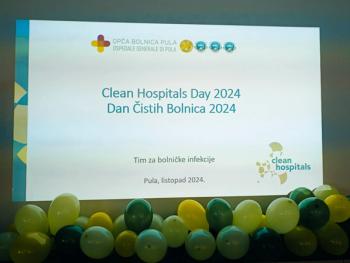
Learn how Pula General Hospital in Croatia championed infection prevention and environmental hygiene and celebrated Clean Hospitals Day to honor cleaning staff and promote advanced practices for exceptional patient care and safety.
Discover how the NHSN 2022 Rebaseline initiative updates health care-associated infection metrics to align with modern health care trends, enabling improved infection prevention strategies and patient safety outcomes.