

News
Advertisement

Infection prevention demands strength—but when vulnerability is praised in men and penalized in women, leadership becomes performance, not authenticity. It’s time to challenge that imbalance.
Advertisement
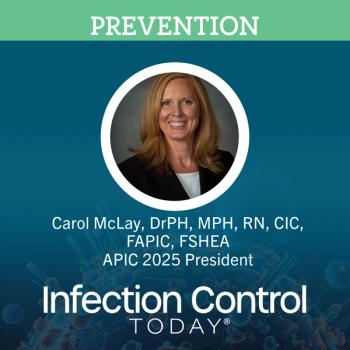
As measles cases rise and vaccine misinformation spreads, Infection Control Today spoke with APIC President Dr Carol McLay about restoring trust in immunization.

A multidisciplinary team tackled low compliance in preoperative bathing, showing that standardization—not product choice—drives surgical site infection prevention and patient safety outcomes.
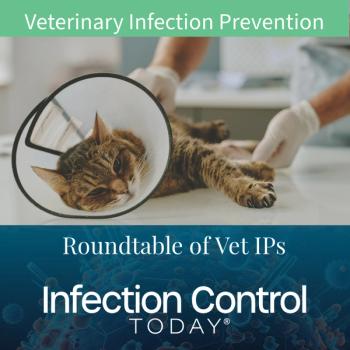
Veterinary professionals emphasize proactive vaccination, infection control education, and collaboration, highlighting the need for resources and recognition of veterinary IPC’s vital role in One Health.
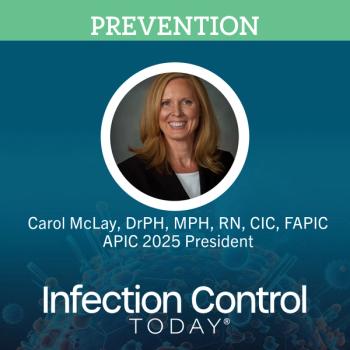
Mass federal layoffs threaten infection prevention nationwide, with APIC president Carol McLay, DrPH, MPH, RN, CIC, FAPIC, FSHEA, warning of disrupted public health infrastructure, rising HAIs, and a diminished infection control workforce.
Advertisement
As global health systems reel from economic aftershocks, new tariffs and dwindling aid threaten infection prevention in low- and middle-income countries—turning policy decisions into life-or-death realities for millions.
A groundbreaking study reveals a strong connection between alcohol use disorder and increased risk for Clostridioides difficile infection, challenging traditional assumptions and calling for enhanced infection prevention protocols.
These Department of Health and Human Services' layoffs save only 1% of the overall governmental budget. What are we losing when these are gone?
This week’s Infection Control Today’s Hot Topics in IPC discusses the latest in the measles outbreak, biocontainment, Group A Strep, and more.
Advertisement

Communication breakdowns between the operating room and central processing led to delays and frustration—until collaboration, cross-training, and shared goals turned metrics around and strengthened teamwork.

Occupational exposure to surgical smoke significantly alters biological and oxidative stress markers in operating room staff, highlighting urgent risks and the need for improved safety measures.

Houston Methodist West Hospital reduced surgical site infections in hysterectomy and colorectal cases by implementing an intraoperative isolation bundle and checklist to prevent cross-contamination.

A Portuguese hospital team significantly improved operating room cleanliness through targeted training, UV audits, and interdisciplinary collaboration, enhancing patient safety and infection prevention at AORN 2025.

At AORN 2025, Dr. Michael Sinnott called for a unified safety culture—one that protects both patients and staff through shared responsibility, accountability, and systemic change.

Pennsylvania Hospital cut complex spinal fusion surgical site infections by over 31% through a multidisciplinary initiative focused on evidence-based interventions and collaborative surgical care.

A barcode-based tracking system for surgical instruments has slashed packing errors, boosted staff training, and dramatically improved patient safety through precise, real-time traceability.

John Kimsey’s interactive sterile processing department game bridges understanding between the operating room and sterile processing teams, promoting collaboration, hands-on learning, and improved patient safety through real-world simulation.
As surgical procedures shift increasingly to ambulatory care settings, preventing surgical site infections is more critical than ever to protect patients and reduce avoidable costs.
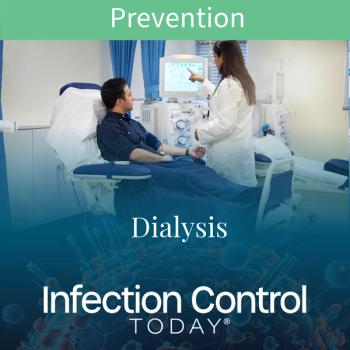
Patients undergoing dialysis are especially vulnerable to infection due to weakened immunity, invasive access procedures, and frequent hospitalizations, making stringent infection control essential.

As health care analytics surges toward a $129.7 billion valuation by 2028, predictive tools are transforming infection prevention by enabling faster, smarter, and more proactive interventions.
Mass layoffs at HHS and CDC have gutted critical infection prevention programs, leaving frontline professionals overwhelmed, under-resourced, and desperate to safeguard public health.
In this installment, our guest veterinary infection preventionists discuss confronting rising H5N1 risks with limited guidance, staff, and surveillance, relying on collaboration, education, and innovation to protect animals, staff, and public health.

From April 5 to 8, 2025, thousands of perioperative nurses will gather in Boston for the 2025 AORN Global Surgical Conference & Expo—a transformational experience designed to elevate nursing practice, build lifelong connections, and advance surgical care.
Veterinary IPs highlight critical gaps in cleaning protocols, training, and biosecurity, stressing the urgent need for standardized, animal-specific infection prevention practices across diverse care settings.

Boston is a great place to go to conferences. But what else is there to do? Read on to find out!
Trauma bonds. How do we break free? Brenna tells us, "We must remain unified in our shared mission, supporting one another as we navigate these challenging times."
This week's Infection Control Today's Hot Topics in IPC discusses US health leadership, H5N1, and more.
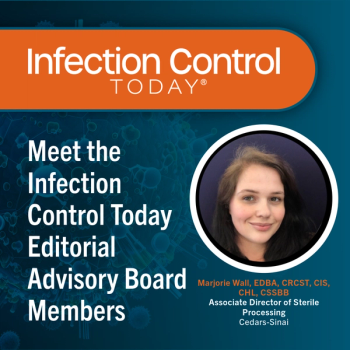
Meet the experts shaping infection prevention: Infection Control Today's Editorial Advisory Board members share insights, experiences, and cutting-edge strategies to enhance health care safety and quality. Meet Marjorie Wall, EDBA, CRCST, CIS, CHL, CSSBB.
With health care systems under strain and infection preventionists being laid off nationwide, a little-known federal agency stands as a last line of defense against preventable patient harm. Yet the Agency for Healthcare Research and Quality (AHRQ) is now facing devastating cuts—threatening decades of progress in patient safety.
Advertisement
Advertisement
Trending on Infection Control Today
1
Lyme Testing Reveals a More Complex Picture of Tick-Borne Disease
2
When the Ebola Outbreak is Spreading Faster Than the Response Can Follow
3
Pathogen Pulse: The Alarming Rise of Dengue in Florida
4
Surgical Mask Fit and Fogging: Why Small Disruptions Matter in the Operating Room
5