




Videos
Latest News
Advertisement
Latest Videos





Shorts
0:57
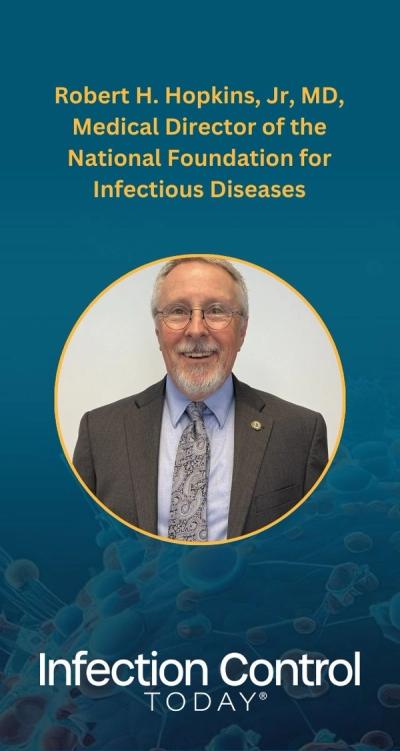
Robert H. Hopkins Jr., MD, on CDC Vaccine Schedule Changes and the Risk to Children’s Health
8 months ago

1:23
Burnout, Value, and the Case for Seeing IPs as an Investment
10 months ago
by
Tori Whitacre Martonicz, MA

1:22
Hidden Hazards: Why Hospital Sink Drains Are a Biofilm Breeding Ground
10 months ago
by
Tori Whitacre Martonicz, MA

0:52
Unsung Heroes: Elevating EVS as Full Partners in Infection Prevention
a year ago
by
Tori Whitacre Martonicz, MA
CME Content


Advertisement
More News

The Bug of the Month helps educate readers about existing and emerging pathogens that are clinically important in today's health care facilities. Check out the author reading the article and identify which bug is speaking in this installment.

Infection prevention is too often the first program cut when budgets tighten, but experts warn that underfunding leaves hospitals vulnerable. Stronger policies, bigger rewards, and robust vaccination programs are critical to protecting patients and communities.
Infection prevention isn’t one-size-fits-all. Regional disparities, from rural staffing shortages to California’s strict regulations, demand tailored strategies, stronger collaborations, and targeted funding to protect patients everywhere.
Fewer than 14% of infection prevention departments receive staffing support from other hospital units, leaving infection preventionists stretched thin. Experts warn that this lack of collaboration undermines patient safety and strains already limited resources.
This installment of the interview with study authors, survey data reveal rising hours and responsibilities for infection preventionists, with staffing shortages fueling burnout risks and threatening the safety of both patients and health care workers.
As hospitals turn to UVC technology to combat health care-associated infections, a new FDA mandate is changing the game—requiring formal authorization for devices that claim to reduce microbial contamination. For infection preventionists and health care leaders, understanding this regulatory shift is now essential to protecting patients and ensuring compliance.
A group of experts highlight their infection control model, which highlights 5 key moments for disinfecting high-touch surfaces in patient care, aiming to reduce health care–associated infections and improve patient safety.
Are your UV-C disinfection systems FDA-compliant? Infection preventionists play a crucial role in ensuring devices meet regulatory standards. A simple conversation with your legal or compliance team today could prevent costly missteps tomorrow and help safeguard patient safety.
Infection prevention starts long before exposure; it begins with what we put into our bodies. This article series explores how key vitamins and nutrients like D, C, zinc, and more can strengthen immune defenses, reduce respiratory illness severity, and empower infection preventionists with evidence-based strategies to support overall health from the inside out.
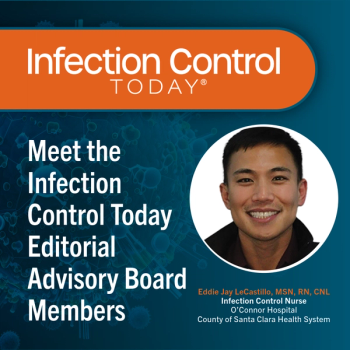
Infection control nurse Eddie Jay LeCastillo, MSN, RN, CNL, CRRN, CIC, LTC-CIP, found his calling during the pandemic, transforming policy work into a mission to strengthen hospital safety through clarity, engagement, and preparedness.
Unauthorized UVC disinfection devices are quietly entering hospitals, bypassing FDA clearance and basic safety standards, putting patient safety and institutional compliance at serious risk.
The FDA’s new mandate requiring clearance for UVC disinfection devices is reshaping the infection prevention landscape, ensuring only proven, science-backed technologies are used to protect patients.
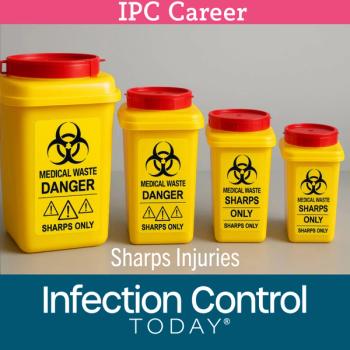
Sharps safety isn’t just an operating room issue—it’s a system-wide concern that demands stronger policies, consistent reporting, and cross-departmental collaboration to truly protect health care workers.
Sharps safety in health care isn’t just about knowing the rules—it’s about changing the culture. In a recent interview with Infection Control Today®, perioperative educator Amanda Heitman shares how fostering a supportive, informed environment can turn safety standards into daily practice.
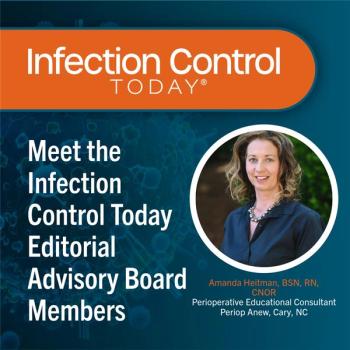
Championing Surgical Safety: A Perioperative Nurse’s Perspective on Infection Prevention
Published: | Updated:
Amanda Heitman, BSN, RN, CNOR, a perioperative nurse with over 20 years' experience and member of Infection Control Today® Editorial Advisory Board, has dedicated her career to patient safety and surgical excellence. Learn more about her path to where she is now.
Despite being a well-known occupational hazard, sharps injuries continue to occur in health care facilities and are often underreported, underestimated, and inadequately addressed. A recent interview with sharps safety advocate Amanda Heitman, BSN, RN, CNOR, a perioperative educational consultant, reveals why change is overdue and what new tools and guidance can help.
The pandemic opened unexpected doors for infection preventionists, pushing their expertise beyond hospital walls into schools and communities where stopping infections at the source matters more than ever.
As seasonal viruses surge and recent outbreaks like measles highlight vulnerabilities, infection prevention experts are extending their reach into schools, recognizing that healthy classrooms are essential to healthy communities.

Environmental hygiene is about more than just shiny surfaces. At Exchange25, infection prevention experts urged the field to look deeper, rethink blame, and validate cleaning efforts across the entire care environment, not just EVS tasks.

Tackling Biofilm at the Drain: A Growing Challenge in Hospital Sink Hygiene
Published: | Updated:
Hospitals may rely on handwashing as a frontline defense against infection, but the very sinks meant to promote hygiene can harbor dangerous pathogens. At this year’s AHE Exchange Summit, microbiologist Mark Wiencek, PhD, T-CHEST, explores how biofilms in sink drains create a persistent threat to patient safety—and what infection prevention and EVS teams can do about it.
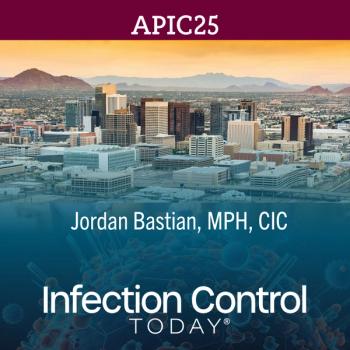
Dr Rebecca Crapanzano-Sigafoos explains how at this year’s APIC Annual Conference & Expo in Phoenix, leaders unveiled key initiatives poised to shape the future of infection prevention, including a new research network, an updated MegaSurvey, and a comprehensive guide to catheter-associated bloodstream infection prevention.
In this interview, completed shortly before the HSPA 2025 conference, as she prepared to take the helm as HSPA’s next president, Arlene Bush, CRCST, CER, CIS, SME, DSMD, CRMST, discusses humility, determination, and a bold vision to elevate sterile processing professionals and broaden the association’s impact.

At the 2025 HSPA conference, experts emphasized the vital role of detergents and enzymatic cleaners in reprocessing medical devices—highlighting how temperature, concentration, and technique directly impact cleaning performance in today’s increasingly complex surgical instrumentation.

A routine audit at Texas Children’s Hospital uncovered systemwide gaps in sterile processing, revealing deeper issues and reinforcing the critical role of education and equipment oversight.

A new study presented at the 2025 SHEA Spring Conference reveals that while infectious disease consults do influence hospitalists’ use of broad-spectrum antibiotics, the relationship is anything but straightforward—challenging assumptions in antimicrobial stewardship and offering new insights into prescribing behavior.
Advertisement
Advertisement
Trending on Infection Control Today
1
What Is Trichophyton indotineae? Drug-Resistant Ringworm Spreads to 29 Countries
2
Long-Acting HIV Treatment and PrEP: How Weekly Oral and Injectable Therapies Could Change Adherence and Patient Choice
3
ICT Weekly Rounds – September 17, 2026: RIngworm, Measles, Ebola Updates
4
Sterile Processing Burnout and Cognitive Overload: How Interruptions, IFUs, and Human Factors Affect Patient Safety
5