





Over 50 health care facilities from 35 countries participated from both higher and lower income settings.
Over 50 health care facilities from 35 countries participated from both higher and lower income settings.
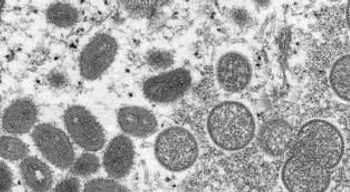
Adding to their exhaustion because of other diseases rampant worldwide, like influenza and COVID-19, infection preventionists need to understand and recognize the basics of monkeypox as well since it has made its debut in the US.

Take 5 minutes to catch up on Infection Control Today’s highlights for the week ending May 27.

Bug of the Month helps educate readers about existing and emerging pathogens of clinical importance in health care facilities today.
Take 5 minutes to catch up on Infection Control Today’s highlights for the week ending May 20.

Despite various techniques that health care facilities use to facilitate 100% hand hygiene compliance from their health care workers, barriers still must be overcome.

A new comprehensive article lays out best practice guidelines for 14 areas of infection prevention and control.

Swiss hospital developed and implemented “Clean Hands,” and the results are significant over paper data collection.
Take 5 minutes to catch up on Infection Control Today’s highlights for the week ending May 6.

PDI’s director of clinical affairs speaks with ICT® about the annual focus on the most fundamental way to protect patients and health care workers alike.

Candida auris environmental contamination is unlikely to be adequately controlled because re-contamination occurs within hours after disinfection.
Take 5 minutes to catch up on Infection Control Today’s highlights for the week ending April 29.

Health care workers' adherence to guidelines and overall job satisfaction are influenced by the level of support they feel they receive from their management team.
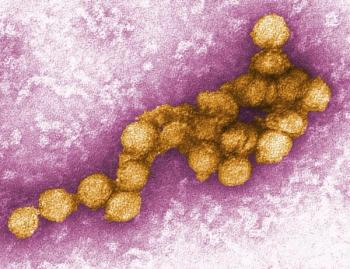
Bug of the Month helps educate readers about existing and emerging pathogens of clinical importance in health care facilities today.
Take 5 minutes to catch up on Infection Control Today’s highlights for the week ending April 8.

Evidence shows the BA.2 variant is more infectious and virulent than the Omicron variant.
Take 5 minutes to catch up on Infection Control Today’s highlights for the week ending April 1.
Take 5 minutes to catch up on Infection Control Today’s highlights for the week ending March 25.
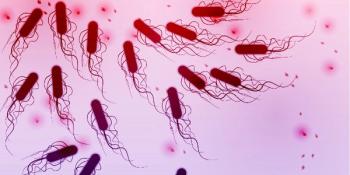
Bug of the Month helps educate readers about existing and emerging pathogens of clinical importance in healthcare facilities today.
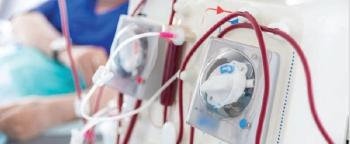
The hemodialysis setting presents a challenge for environmental cleaning and disinfection because of the demand for rapid turnover of stations.
Take 5 minutes to catch up on Infection Control Today’s highlights for the week ending March 11.

A comprehensive blueprint on how to be better prepared for the future as COVID-19 becomes endemic and the world faces future pandemics.

A new study supports the conclusion that the “brain fog” reported by many who have recovered from mild COVID-19 infection is real and has an anatomical basis.
Take 5 minutes to catch up on Infection Control Today’s highlights for the week ending March 4.
Take 5 minutes to catch up on Infection Control Today’s highlights for the week ending February 25.