



An innovative way to assess hand hygiene technique has been proposed in a new study by well-known infectious disease specialist, John Boyce, MD.

An innovative way to assess hand hygiene technique has been proposed in a new study by well-known infectious disease specialist, John Boyce, MD.

During Sterile Processing Week, ICT® recognizes the job of sterile processing personnel as highly skilled labor in an uncomfortable work environment. It is also dangerous to those individuals who may pass through the room the sterile processing personnel are working in.
Didier Pittet, MD, MS, CBE, a renowned epidemiologist, joins ICT® ahead of the upcoming Clean Hospitals Day Conference to discuss the biggest challenges that environmental hygiene personnel face.
Infection Control Today's® Product Locator is a monthly column highlighting some of the latest advanced technology in the infection prevention field.
Take 5 minutes to catch up on Infection Control Today’s highlights for the week ending October 7.
Take 5 minutes to catch up on Infection Control Today’s highlights for the week ending September 30.

Many studies have been done on how to increase hand hygiene adherence. However, ICT® decided to go to the source and ask the health care workers themselves why they do not always follow hand hygiene.
Take 5 minutes to catch up on Infection Control Today’s highlights for the week ending September 23.
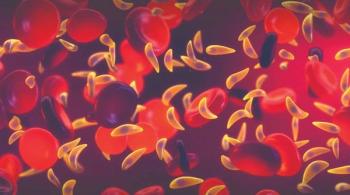
Bug of the Month helps educate readers about existing and emerging pathogens of clinical importance in health care facilities today.
Take 5 minutes to catch up on Infection Control Today’s highlights for the week ending September 9.

CDC’s Medical Advisor for the Healthcare Safety Network, Raymund Dantes, MD, MPH, reviews sepsis and what infection preventionists, epidemiologists, and other health care workers need to know.
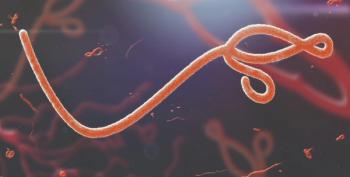
Bug of the Month helps educate readers about existing and emerging pathogens of clinical importance in health care facilities today.
Take 5 minutes to catch up on Infection Control Today’s highlights for the week ending August 19.

Last week the Centers for Disease Control and Prevention relaxed recommendations which neither control or prevent a rapidly evolving and disabling disease, COVID-19. However, we must maintain effective efforts to control spread of the virus.

The first day as an infection preventionist can be nerve wracking, but what happens when The Joint Commission is there the same day?
Take 5 minutes to catch up on Infection Control Today’s highlights for the week ending August 12.
Take 5 minutes to catch up on Infection Control Today’s highlights for the week ending August 5.

With stress and burnout from staff shortages and the COVID-19 pandemic, infection prevention auditors need to remember kindness and compassion.
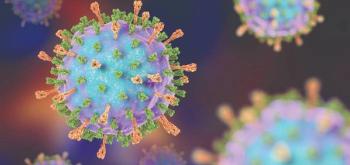
Bug of the Month helps educate readers about existing and emerging pathogens of clinical importance in healthcare facilities today.
Take 5 minutes to catch up on Infection Control Today’s highlights for the week ending June 17.

The encouraging method used in the facility to raise the percentages was the answer to creating a positive response from the team.

The wearable wristband works with location sensors throughout the hospital to track HH and HCW behavior, and then pairs with an app that analyzes individual performance.

Health care worker hand hygiene compliance ticked up during COVID, but levels remain low nationwide. A 3-hospital network in Illinois wanted to know why.

Trained observers at a pediatric hospital in south Texas relied on the app for hand hygiene observation collections between June 18 and November 30, 2021, and logged a 140% increase in observations collected.
Take 5 minutes to catch up on Infection Control Today’s highlights for the week ending June 10.