


Hand Hygiene
Latest News
Advertisement
Latest Videos







Advertisement
More News
Enjoy this first installment of The Long-Term Care Chronicles With Robbie Hilliard, MSN, RN CIC, a column about managing special infection control situations in the long-term care patient population. This installment is about when 2 experts conflict about best care.

Infection Control Today® speaks with the 2023 Infection Control Today’s Educator of the Year Award™ winner, Sharon Ward-Fore, MS, MT,(ASCP), CIC, FAPIC

Communal dining in LTC facilities enhances social interaction and nutrition but requires infection prevention measures to protect residents from risks like gastrointestinal and respiratory infections.
Bug of the Month helps educate readers about existing and emerging pathogens of clinical importance in health care facilities today.

Beginning a new infection prevention position can be daunting. Check out the latest IP LifeLines article by Brenna Doran, PhD, MA, ACC, CIC, on mastering the transition.

The "90’s SwipeSense Club" significantly improved hand hygiene adherence at Novant Health Thomasville Medical Center. By incentivizing adherence through 1990s-themed rewards and using SwipeSense technology to track hygiene practices, the hospital increased adherence rates from 53% in 2021 to 84% by May 2024.
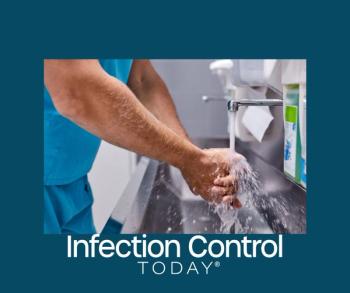
Hebah al Zamel, MSN, CIC, CPHQ, an infection preventionist in the Kingdom of Saudi Arabia and a member of ICT's Editorial Advisory Board, describes how hand hygiene is handled in Prince Sultan Cardiac Center in Qasim.

Health care-associated infections (HAIs) affect over 680,000 patients annually in the U.S. Unlike manual methods, automated hand hygiene monitoring can significantly improve compliance and reduce HAIs.
Alcohol-Based Hand Sanitizers Ineffective Against Norovirus: Effective Alternatives and Infection Control Strategies
Published: | Updated:
Alcohol-based hand sanitizers do not protect against norovirus, a highly contagious virus. Effective alternatives like hypochlorous acid-based sanitizers are crucial for better infection control.
Bug of the Month helps educate readers about existing and emerging pathogens of clinical importance in health care facilities today.

As a health care worker, are you struggling with work-life balance? Learn how setting boundaries empowers well-being, enhances relationships, and boosts productivity. Take the quiz to assess your boundaries.
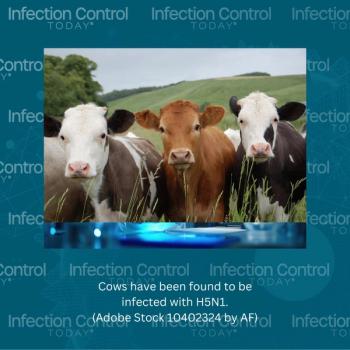
Discover strategies to combat H5N1 influenza spillover in cattle, emphasizing collaborative efforts to ensure the safety of human, animal, and environmental well-being.
Happy Hand Hygiene Day! Bradley's 2024 survey unveils American handwashing trends: It increased during illness and travel but decreased after restroom use. Parents are key in fostering hygiene habits.
Ramon Zegpi Lagos, DVM, PhD, discusses H5N1 (avian flu), risks, transmission dynamics, preventive measures, and ongoing research at The Ohio State University.

Bug of the Month helps educate readers about existing and emerging pathogens of clinical importance in health care facilities today.
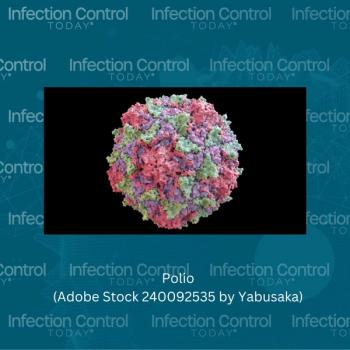
The fight against poliovirus continues with renewed urgency as recent surveillance data reveals both progress and persistent challenges. In a critical update, infection prevention personnel are presented with key insights into the ongoing battle against this scourge.
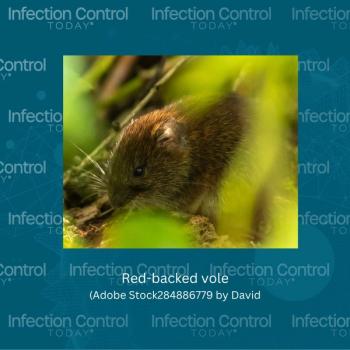
Discover Alaska's borealpox virus, formerly Alaskapox, now named for its ecosystem origins. Learn about this orthopoxvirus affecting humans and small mammals, with prevention insights.
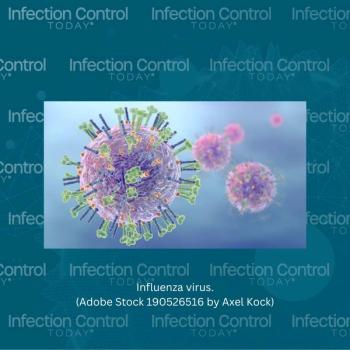
Discover the considerations behind CSL Seqirus' shift to trivalent influenza vaccines, removing B/Yamagata strain. Gregg Sylvester, MD, MPH, explains the impact on effectiveness and steps for a seamless transition in health care facilities.
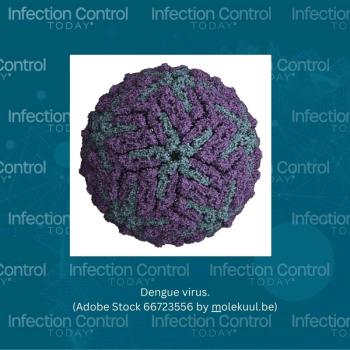
Puerto Rico declared a dengue public health emergency with 549 cases this year, up from 1293 in 2023. What should visitors and residents know to protect themselves?
Media in the US presents AI as both beneficial and risky. Positive coverage shows AI's potential through virtual assistants like Siri, while cautionary tales warn of misuse like misinformation and deepfakes. How does all this work in health care?
IPs are keen to delve into the latest trends in environmental hygiene, with a focus on surface cleaning, air and water purification, product selection, and advanced UV-C technologies.
Rare Disease Day on February 29, 2024, shines a global light on the impact of rare diseases, including rare infectious diseases. With a focus on early diagnosis and treatment access, this day highlights the struggles of those with rare conditions.
The 20 conditions, known as neglected tropical diseases (NTDs), are estimated to affect more than 1 billion people, yet many individuals have never heard of them. Heather Saunders, MPH, RN, CIC, discusses 5 of them and what is being done to prevent their spread.
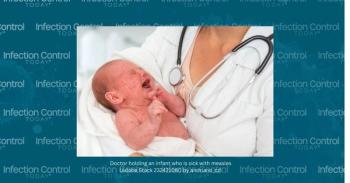
Despite the severity of a measles diagnosis, outbreaks continue. Health care workers should encourage their patients to receive the vaccine and explain its safety.
Water, essential in health care, from hygiene to medical procedures. AAMI's ST108 sets new standards, vital for patient safety and equipment integrity.
Advertisement
Advertisement
Trending on Infection Control Today
1
UPMC’s Genomic Surveillance Award Opens the Door to Funding Conversations
2
Proposed AHRQ Cut Raises Questions About Infection Prevention Research and Support
3
How Purposeful Infection Prevention Rounding Supports Patient Safety and EVS Collaboration
4
ICT Weekly Rounds: Genomic Surveillance Wins, Reprocessing Drift, and a Century-Old Measles Warning
5