





Standardizing disinfectant wipes across multiple facilities requires comparing active ingredients, kill claims, and dwell times.
Standardizing disinfectant wipes across multiple facilities requires comparing active ingredients, kill claims, and dwell times.

Take 5 minutes to catch up on Infection Control Today’s highlights for the week ending July 29.

CRE cases are considered a US public health threat, and, concerningly, a small, but notable proportion of CRE cases occur in patients without traditional health care risk factors.

This is the third in a series of articles based on ICT®'s exclusive interview with Oliver D. Kripfgans, PhD, FAIUM, about ultrasound transducer disinfection, and the consequences of using the incorrect type.
Take 5 minutes to catch up on Infection Control Today’s highlights for the week ending July 22.
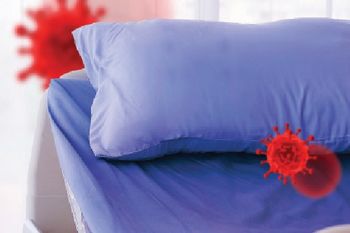
Environmental sources of pathogen organisms can sometimes be difficult to narrow down in a health care facility. One possible source of transmission is the laundry used, and not maintaining strict cleanliness attention can put both patients and workers at risk.
Take 5 minutes to catch up on Infection Control Today’s highlights for the week ending July 15.
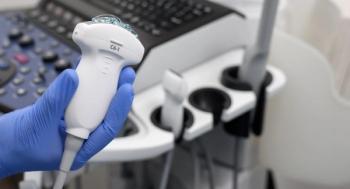
Improper standards complicate cleaning and disinfecting and can represent a wasteful use of resources, specifically when facilities also may lack access to high-level technology.
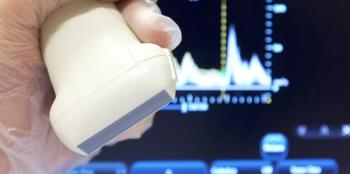
While a few ultrasound procedures suggest increased instances of patient infections due to low-level disinfection techniques, statistically, results from peer-reviewed studies do not confirm this idea.
For terminal cleans, investigators studied the effect of UV-C disinfection added to chlorine-based disinfectants on the likelihood of MDRO transmission from the source occupant to subsequently exposed occupants.
Take 5 minutes to catch up on Infection Control Today’s highlights for the week ending July 8.

Sponsored Content

A recent study by NYU Langone investigators determined that disinfecting high-touch surfaces within patient rooms with NaDCC via wipes and electrostatic sprayers yielded lower mean bacteria colony counts.

Two patients were found with C auris in the CVAHCS beginning in October 2020, and a recent study describes how the facility handled the situation.
Take 5 minutes to catch up on Infection Control Today’s highlights for the week ending July 1.
Sponsored Content
Take 5 minutes to catch up on Infection Control Today’s highlights for the week ending June 10.

Despite the emphasis on more improved infection prevention practices, stethoscope hygiene continually falls short, possibly leading to more health care-acquired infections.

From language barriers to lack of equipment, environmental hygiene is suffering throughout the world.

Over 50 health care facilities from 35 countries participated from both higher and lower income settings.
Take 5 minutes to catch up on Infection Control Today’s highlights for the week ending June 3.

AMR and surgical site infections are a consistent issue for surgeries, and often surgeons feel they have done everything they can to reduce the risk, and yet the event still occurs with an alarming frequency. Is there anything novel that can be done? ICT® tries to find out.

How do the veteran and the novice infection preventionists work together in the present climate? What do they think are their strengths and their differences as they combine their knowledge in the health care field? Infection Control Today® asked a veteran and a novice to find out.
Take 5 minutes to catch up on Infection Control Today’s highlights for the week ending May 27.

Device-associated HAIs were likely impacted by the continued alteration of hospital practices that occurred throughout the pandemic.