




Pierre Parneix, MD, speaks with Infection Control Today® on his work as the president of the French Society for Hospital Hygiene, his work with the Clean Hospitals, and his outlook on France’s fight against infectious disease in the near future.
Pierre Parneix, MD, speaks with Infection Control Today® on his work as the president of the French Society for Hospital Hygiene, his work with the Clean Hospitals, and his outlook on France’s fight against infectious disease in the near future.
Environmental hygiene issues are rampant throughout every country in the world. From not enough resources to too few personnel, hospitals face difficulties that put patients at risk.

Take 5 minutes to catch up on Infection Control Today’s highlights for the week ending October 14.

During Sterile Processing Week, ICT® recognizes the job of sterile processing personnel as highly skilled labor in an uncomfortable work environment. It is also dangerous to those individuals who may pass through the room the sterile processing personnel are working in.
Infection Control Today's® Product Locator is a monthly column highlighting some of the latest advanced technology in the infection prevention field.
Take 5 minutes to catch up on Infection Control Today’s highlights for the week ending October 7.

COVID-19 has not been the only pathogen that has been spreading the last few years. Candida auris has taken a hold, not only in the United States but around the world. Here are the details and how environmental hygiene practices can protect patients in a health care setting.

Because of mask-wearing and social distancing, numbers of influenza cases have been down the last 2 years. However, experts say numbers this year could go back up to numbers in prior years. The public and health care workers alike need a nudge to get vaccinated.

The Association for Health Care Environment (AHE) annual conference brings together those individuals passionate about environmental hygiene. Rock Jensen, the AHE president for the board of advisors, describes to ICT® the goals of this year's conference.
Take 5 minutes to catch up on Infection Control Today’s highlights for the week ending September 30.
A sepsis diagnosis is expensive and deadly, and early detection and treatment are key to saving lives. However, sepsis is not always easy to diagnose early, so a new advanced analytics surveillance tool can increase the chances of an improved outcome.

Thorough cleaning and disinfection reduce the role fomites play in the spread of disease.
Take 5 minutes to catch up on Infection Control Today’s highlights for the week ending September 23.
With the debate swirling around the efficacy and safety of UV-C technology, an individual needs which generation the product is. Infection Control Today® continues its ongoing special reporting on UV-C technology.
Despite studies that show UV-C is effective and safe, some individuals still refuse to believe it, based on experience with or studies based on first generation UV-C technology.
Take 5 minutes to catch up on Infection Control Today’s highlights for the week ending September 16.

Some individuals believe health care-associated infections data should be more transparent than what hospitals provide. How does the hospital leadership react to the publicly-reported data?
Take 5 minutes to catch up on Infection Control Today’s highlights for the week ending September 9.

Long-term care facilities were once normally happier places, but COVID-19 changed the individuals working and living there. PPEs, testing, overwork, underpayment, and too many isolations have chased health care workers away and forced the facilities' population to plummet. Can anything be done?

The workshop included members of the public, academics, and representatives of the pharmaceutical industry to discuss development of new medicines for preventing HAIs and antibiotic resistance.
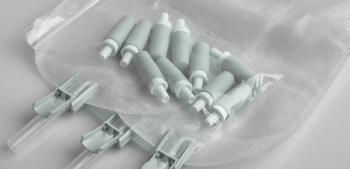
Prolonged catheter use is the number 1 risk factor for developing catheter-associated urinary tract infections (CAUTI). External urine collection devices are an alternative to indwelling catheters for managing urinary incontinence.
Take 5 minutes to catch up on Infection Control Today’s highlights for the week ending September 2.
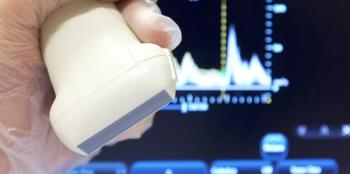
With the CDC, FDA, and Joint Commission all using different guidelines and recommendations for the types of disinfection acceptable for various ultrasound transducers, clinicians should follow manufacturers’ instructions, but a more unified answer is needed.
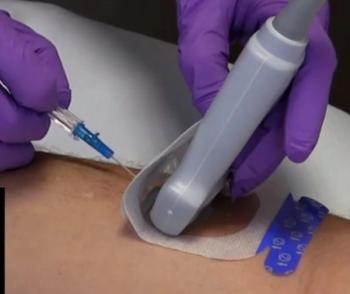
Having complete IV start kits or central line insertion kits to reduce gel type variability and, thus gel contamination and following AIUM and INS disinfection recommendations are 2 ways to prevent health care-acquired infections.
Infection Control Today's® Product Locator is a monthly column highlighting some of the latest advanced technology in the infection prevention field.