



Personal Protective Equipment
Latest News
Advertisement
Latest Videos





Shorts

0:43
The Clean Bite: Why You Cut Yourself on Autopilot in Dental
4 months ago
0:31
Why Dental Assistants Are the Backbone of Every Practice
4 months ago
0:49
The Most Dangerous Thing a Dental Assistant Can Do
4 months ago
0:53
Why Needle Stick Injuries Are Like Getting a Divorce
4 months ago
0:43
The Evolution of Dental Safety: PPE vs Uniforms
4 months ago

0:45
Running a Hospital on a Remote Island: The Logistics of Kodiak
5 months ago
0:55
Could COVID-19 Vaccines Be Pulled From the Market?
9 months ago

0:50
When Gloves Were Considered Insulting to Patients
10 months ago
CME Content

Advertisement
More News
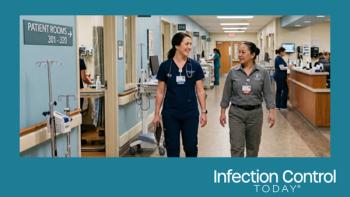
During National EVS Week, appreciation matters, but partnership matters more. Environmental services professionals bring infection prevention expertise and a unique understanding of the health care environment that can help identify barriers, improve cleaning and disinfection practices, and ultimately protect patients.
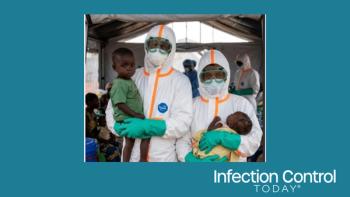
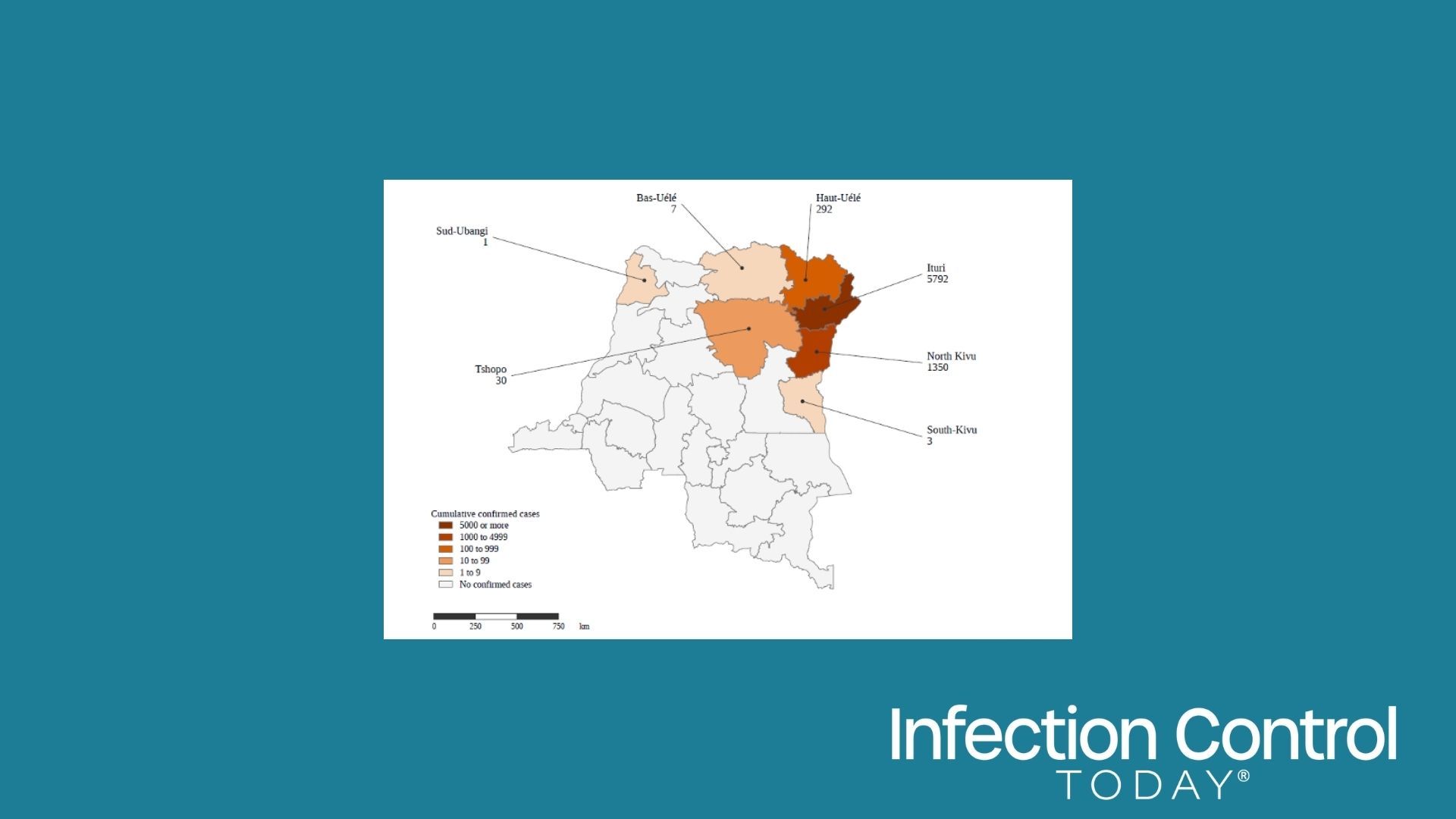
Nearly 4 months into the DRC's Bundibugyo virus disease outbreak, some indicators suggest transmission may be slowing. But shifting hotspots, treatment-center capacity problems, community deaths, and incomplete surveillance data show why national case totals alone cannot determine whether containment has been achieved.
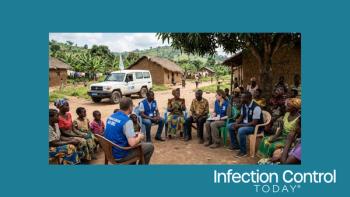
Is the Ebola outbreak in the DRC getting better? The answer depends on which numbers you examine. Several important indicators are moving in the right direction, including slower case growth and a declining Rₜ. But major gaps remain in contact tracing, testing, community deaths, safe burial coverage, and treatment capacity in some of the hardest-hit areas. ICT takes a deeper look at the latest outbreak data and why the numbers suggest cautious optimism, not victory.
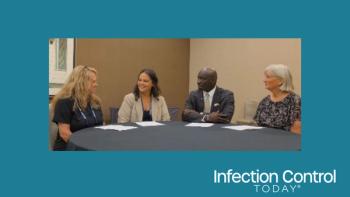
How much linen is enough, and where does it all go? EVS, infection prevention, and laundry experts discuss PAR levels, linen loss, staff education, data, accountability, and building better reusable linen programs.

How do you celebrate an infection that never happened? That's one of the unusual challenges infection preventionists share with teachers. Both can spend their careers changing outcomes they may never see. Both educate people who don't always want to listen. Both are second-guessed. Both face burnout. And both must somehow keep remembering why they started.
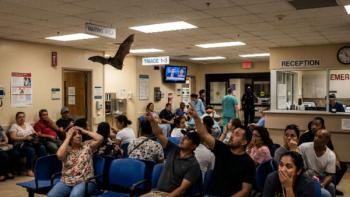
There’s a bat in the hospital. Now what? Before anyone swats it, grabs it, or throws it away, infection prevention needs staff to understand one thing: That bat may be critical evidence in determining whether patients and employees need rabies PEP. One bat. One bad decision. A potentially enormous exposure investigation.
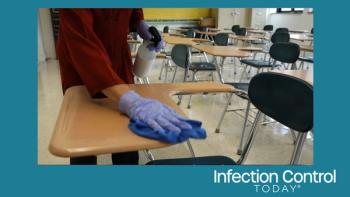
Evidence-based guidance outlines practical strategies for preventing infectious disease outbreaks in K–12 schools through hand hygiene, environmental cleaning, ventilation, illness monitoring, vaccination, and food safety.
Antimicrobial resistance hotspot mapping combines laboratory results, antibiotic prescribing, patient movement, and environmental data to identify where resistant pathogens emerge and spread. Emerging research suggests integrated surveillance, AI, and One Health collaboration could improve infection prevention while helping health systems detect resistance earlier and target interventions more effectively.

Could a badge, cell phone, or home-laundered scrub top contribute to infection transmission? AORN's updated 2025 Guideline for Surgical Attire reinforces that surgical attire is much more than a uniform. From laundering practices and beard covers to cleaning personal devices, the recommendations position attire as a key component of infection prevention and patient safety across the perioperative environment.
A major cyclosporiasis outbreak is underway. The CDC has confirmed 1,645 domestically acquired cases across 34 states since May 1 — with a multistate cluster of 400+ cases in Michigan, Ohio, West Virginia, and Kentucky that investigators believe may share a common food source. Lettuce and salad greens are under scrutiny. For IPs: Standard disinfectants won't eliminate Cyclospora, and the parasite is routinely missed in standard lab panels without a specific order.
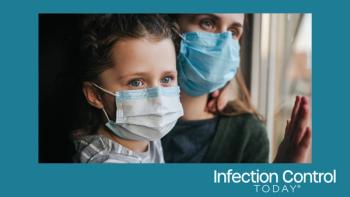
Why are US citizens still concerned about infectious diseases years after COVID-19? This interview explores public perceptions of Ebola, measles, vaccination, environmental contamination, and disaster recovery, and examines how education, preparedness, and infection prevention can strengthen public health resilience.
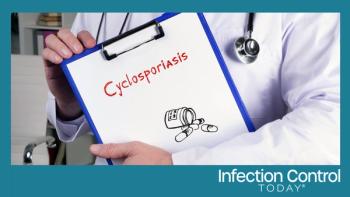
Why do outbreaks involving Cyclospora, Ebola, Legionnaires' disease, contaminated medical devices, and recalled consumer products matter to infection preventionists? This editorial examines the common lessons from today's emerging infectious threats and explains how surveillance, environmental safety, health care worker protection, and preparedness strengthen infection prevention and control programs across all health care settings.
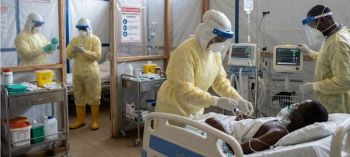
More than 100 health care workers have been infected during the current Ebola outbreak in the Democratic Republic of the Congo and Uganda. While the risk to US health care facilities remains low, the outbreak provides powerful lessons about PPE readiness, surveillance, staffing, and community trust. This commentary explores why infection preventionists should pay close attention, not because Ebola is coming here, but because the challenges are universal.
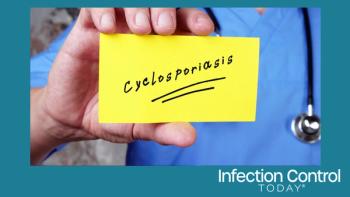
A microscopic parasite called Cyclospora is spreading across 17 states. 145 people are sick. Health care workers need to know the warning signs, how to diagnose it, and what to do. Read why this outbreak matters and how to respond.

Think you know your infection control acronyms? Test your expertise with our ICT Expert Acronym Challenge! From CLABSI to VRE, this 20-question puzzle covers essential health care-acquired infection prevention terminology that every infection control professional should master. How many can you match correctly? Try the challenge now! Perfect for IPC specialists, infection prevention coordinators, and health care epidemiologists!
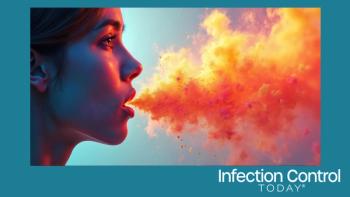
Emerging breath analysis technologies could provide faster, less invasive detection of bacterial infections and help clinicians monitor antibiotic response, though significant research and regulatory hurdles remain before widespread clinical adoption.
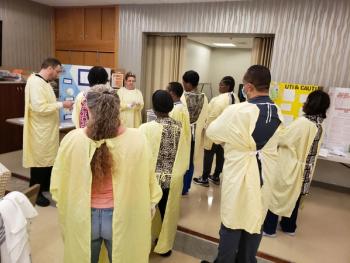
A photo-based education activity helped frontline staff recognize infection prevention concerns, discuss common barriers, and strengthen survey readiness in long-term care.
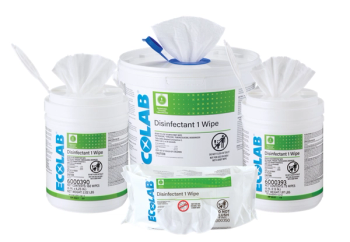
How plastic‑free wipes are helping hospitals reduce waste while delivering disinfecting performance.
Advertisement
Advertisement
Trending on Infection Control Today
1
Laundry Hygiene in Clinics, Gyms, and Spas: How to Handle, Wash, and Store Shared Linens
2
TMVII Sexually Transmitted Ringworm: Symptoms, Diagnosis, Treatment, and Prevention
3
From Stockpile to Patient: Preparing Vaccine Delivery Before an Outbreak
4
Ebola Response in the DRC: Contact Tracing Gaps and the Role of Community Trust
5