






Personal Protective Equipment
Latest News
Advertisement
Latest Videos








CME Content


Advertisement
More News
Enjoy this first installment of The Long-Term Care Chronicles With Robbie Hilliard, MSN, RN CIC, a column about managing special infection control situations in the long-term care patient population. This installment is about when 2 experts conflict about best care.
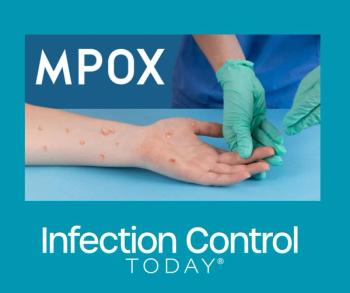
The 2024 surge in infectious diseases like mpox, measles, and meningitis demands a paradigm shift in control strategies, emphasizing expanded expertise, improved airborne precautions, and rethinking cost-effectiveness in healthcare to prevent future outbreaks and protect public health.
As infectious diseases resurge in 2024, this article explores how IPs can manage outbreaks, allocate resources, use technology for surveillance, and collaborate with senior leaders to ensure business continuity and patient safety in health care settings.

The US faces an H5N1 outbreak affecting dairy cattle, poultry, and humans. Cases are rising, highlighting potential pandemic risks and the need for vigilant monitoring.

In an ICT® interview, Dr. Hudson Garrett emphasized double-gloving in infection control as crucial for protecting health care workers and patients, especially in high-risk environments.
Jackie Otero, senior territory sales representative at Abatement Technologies, discusses the SHIELD WALL modular containment system by Abatement Technologies, highlighting its quick assembly, durability, noise reduction, and benefits in maintaining indoor air quality in health care settings.

Back to the Future—Focus on Oral Care for Preventing Pneumonia
Published: | Updated:
Pneumonia, a leading cause of death from health care-acquired infections, can be prevented through oral care, especially in nonventilator hospital-acquired pneumonia (NV-HAP) cases.

Welcome to Pathogen Pulse with Isis Lamphier, MPH, CIC. This edition is about H5N1. H5N1 bird flu has spread to dairy cattle across multiple states, posing new risks through unpasteurized milk and contact with infected animals.

Communal dining in LTC facilities enhances social interaction and nutrition but requires infection prevention measures to protect residents from risks like gastrointestinal and respiratory infections.

Balancing personal struggles and professional responsibilities during crises requires self-awareness, self-compassion, healthy boundaries, and support networks. Embrace these strategies to navigate and overcome challenges.

Take 5 minutes to catch up on Infection Control Today®’s highlights for the week ending July 20, 2024.
Check out Infection Control Today's PowerPoint that explains updates to the long-term care enhanced barrier precautions (EBP) requirements from the CMS.
The CDC reports today of a 20% increase in antimicrobial-resistant infections during COVID-19, in the years of 2021-2022, highlighting the need for ongoing prevention and updated estimates starting in 2025.

Negative perceptions of safety climate among nurses are linked to reduced adherence to standard precautions, highlighting the need for targeted interventions to improve patient safety culture.

Chaitenya Razdan, CEO and founder of Care+Wear, discusses the development of adaptive clothing for patients with PICC lines and NICU infants, focusing on comfort, dignity, and infection prevention.

Meet the experts shaping infection prevention: Infection Control Today's Editorial Board members share insights, experiences, and cutting-edge strategies to enhance health care safety and quality. Meet Henry Spratt, Jr, PhD.
Enhanced barrier precautions (EBP) in nursing homes are vital to prevent multidrug-resistant organism (MDRO) transmission, address antimicrobial resistance, and ensure resident safety and well-being.
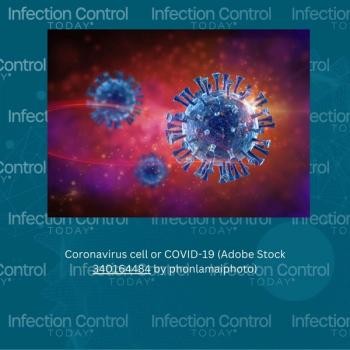
The WHO suggests changing terminology to better understand pathogen transmission through the air, emphasizing N95 mask use and improved ventilation.

The information health care workers need to know about the concerning infection trends among sex workers and how best to support and treat them.
Opinion: Kevin Kavanagh, MD, examines a summary of studies on how COVID-19 may damage the brain's frontal lobes, alter personality traits and cognitive functions, and potentially reshape society's dynamics.

A struggling infection preventionist seeks guidance on combatting monotony and finding fulfillment in their role amidst recurring challenges.

Discover strategies for advocating infection prevention programs to the C-suite, ensuring resources, leadership support, and impactful outcomes.

A JAMA study exposes the US healthcare system's staggering waste expenditure underlining challenges in managing diverse waste types and stringent regulations' compliance. What solutions are there?

Personal protective equipment (PPE) stands as the first line of defense against infectious diseases in health care. Yet, the issue of ill-fitting PPE, especially for women, remains a significant challenge.
The CDC's recent decision to align recommendations for respiratory viruses, particularly COVID-19, has garnered support from the public and infectious disease societies. However, as the Infectious Diseases Society of America (IDSA) lends its backing to the CDC's harmonization efforts, concerns persist regarding the implications of this shift, especially considering the Omicron variant's unique characteristics and the ongoing challenges posed by COVID-19's multi-system impacts.
Advertisement
Advertisement
Trending on Infection Control Today
1
How Purposeful Infection Prevention Rounding Supports Patient Safety and EVS Collaboration
2
UPMC’s Genomic Surveillance Award Opens the Door to Funding Conversations
3
ICT Weekly Rounds: Genomic Surveillance Wins, Reprocessing Drift, and a Century-Old Measles Warning
4